

Leather labels
Everything in our lives has a history. Denim and leather clothing labels are no exception. The history of denim clothing began with denim overalls for farmers and miners. This happened on May 20, 1873, when Jacob Davis and Levi Strauss received a patent for their creation. There were legends about the strength of these clothes. This clothing required at least a durable label. Due to its durability in 1986, the first famous leather leib with two horses, trying in vain to tear jeans.
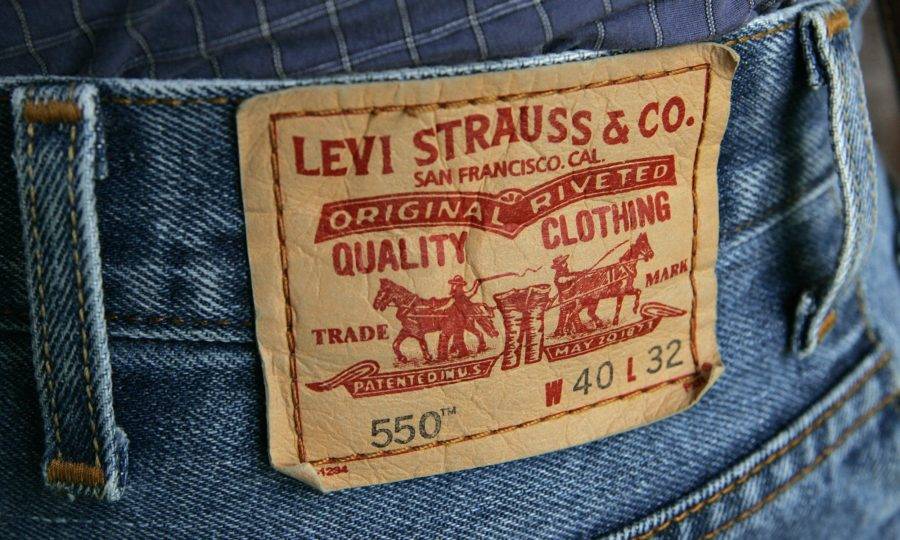
Since then, leather labels have become an integral part of denim clothing.
Nowadays, denim products are very popular and have taken an honorable place in the wardrobe, and a solid leather label has become their calling card.
One of the areas of branding in our company is the production of leather labels for jeans and more.
Denim style is becoming more popular every year. After all, it is primarily 100% cotton, easy to handle and practical.
We offer you the application of the logo on:
- skin
- suede
- nubuck
- eco leather
- Jacron paper (basically paper with a leather appearance, suitable for industrial washing).
Leather labels can be made of any shape – round, square, rectangular or other at your request.
To apply the logo and the necessary information on leather labels, we use printing, hot stamping, embroidery, embossing, foil stamping and, if necessary, combine these application techniques. We can also decorate leather labels with rivets, rhinestones and sequins.Our company, PIM accessories, will be happy to help you pay special attention to the manufacture of such a label!
We will do our best to emphasize your individuality and stay true to your preferences!
We will do everything in our power to ensure that your leather label remains in the memory of consumers, and the products are even more recognizable!
Our designers will realize all your bold ideas and wishes.

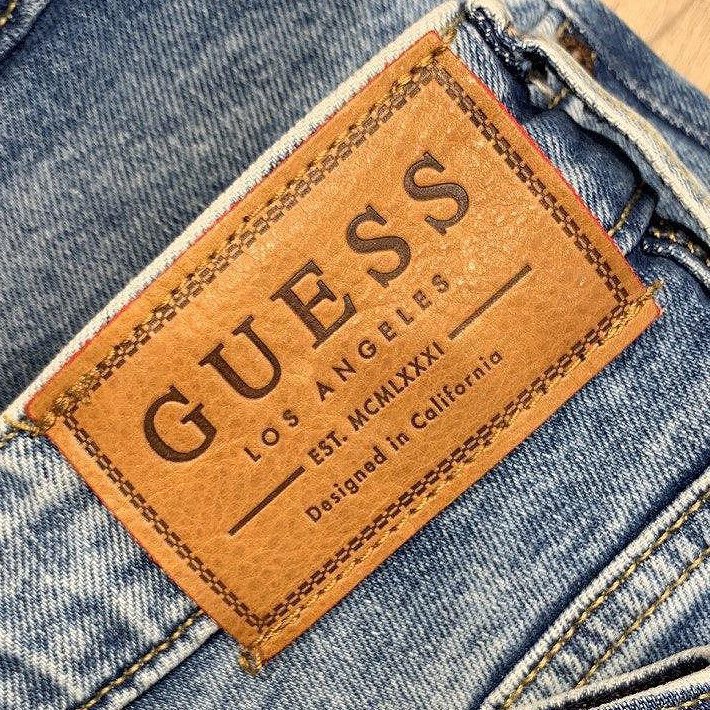
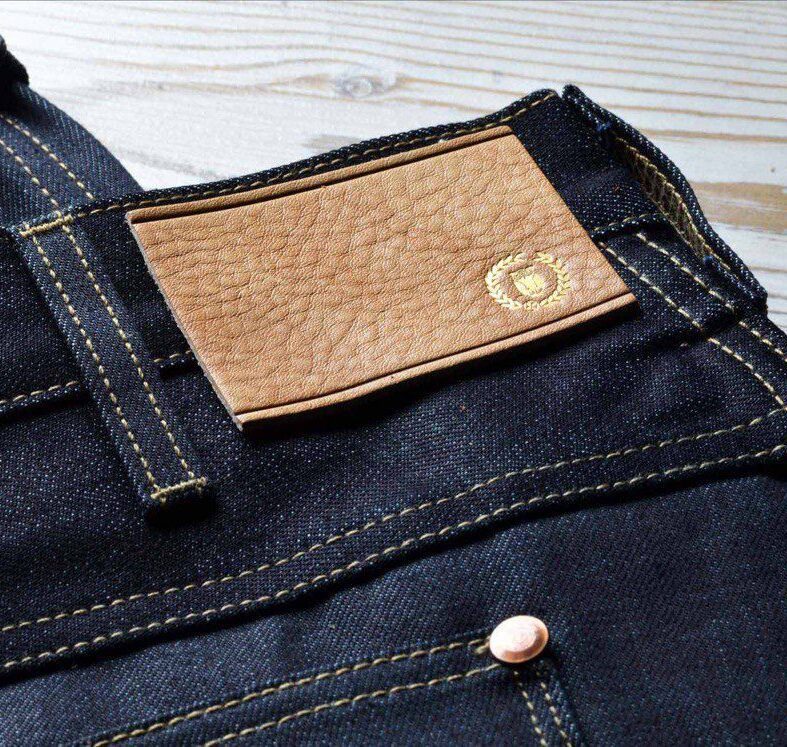


Leather labels are a type of identification made from genuine or high-quality faux leather and used to identify a brand, model, or collection. Unlike textile labels, leather labels are perceived as a full-fledged design element of the product and emphasize its status.
These labels are widely used on clothing, accessories, and handicrafts where natural materials, tactile sensation, and visual expressiveness are important.
Why are leather labels valued in the industry?
Leather is traditionally associated with quality, durability, and premium appeal. That’s why leather labels are often used by brands that prioritize image and attention to detail.
The main reasons for the popularity of leather labels:
- noble appearance;
- high wear resistance;
- natural texture;
- tactile appeal;
- association with handcrafted workmanship and quality.
Even a minimalist leather label can enhance the value of a product in the eyes of the buyer.
Materials for Leather Labels
Leather labels can be made from different types of leather, which affects their appearance and performance properties.
The most common options are:
- genuine leather – Emphasizes eco-friendliness and premium quality;
- Split leather has a smoother structure and a more stable shape;
- Faux leather is a practical solution with the visual effect of a natural material.
The choice of material depends on the brand concept, price segment, and purpose of the product.
Appearance and Design of Leather Labels
Leather labels are distinguished by their deep color and natural texture. Even single-color options look expressive due to the leather texture and surface treatment.
Logos and lettering can be embossed, raised, or in contrasting colors. A subdued color palette is most often used: black, brown, cognac, gray, and natural leather tones.
This design makes the leather label versatile and easy to pair with a variety of fabrics.
Types of Leather Labels
Leather labels vary in purpose and attachment method.
Sew-on Leather Labels
Attached to the garment with stitching. Used on denim, outerwear, casual wear, and accessories.
Sew-in Leather Labels
Placed in the seams of the garment. This option ensures a neat appearance and secure fit.
Decorative Leather Patches
They are used as a design element and can be placed on the outside of a product, becoming an accent detail.
Where Leather Labels Are Used
Leather labels are used in a wide variety of product categories:
- denim clothing;
- jackets and coats;
- knitwear and casual wear;
- bags and backpacks;
- hats;
- accessories and handicrafts.
They are especially often used on products that require durability and expressive style.
Advantages of Leather Labels
Using leather labels offers a number of significant benefits:
- Premium feel
The label emphasizes the status and quality of the product.
- Durability
Leather is wear-resistant and maintains its appearance.
- Tactile appeal
The material feels pleasant to the touch.
- Design versatility
Suitable for different styles and categories of clothing.
- Expressive branding
The logo looks discreet and respectable.
How to choose leather labels
When choosing leather labels, it’s important to consider:
- product type and fabric;
- label placement;
- leather size and thickness;
- logo color and application method;
- overall brand style.
Heavier options are suitable for outerwear and denim, while thinner, softer leather labels are suitable for knitwear.
Leather Label Attachment Considerations
Leather labels require careful attachment, as leather is denser than textiles. Edge stitching or seam-sewing are most commonly used. It’s important to select the right thread and maintain uniform tension to avoid deformation of the garment.
A properly attached leather label will last a long time and retain its shape.
Caring for Items with Leather Labels
Clothing with leather labels doesn’t require special care; however, it is recommended to avoid harsh washing cycles and high temperatures. With careful use, the leather retains its appearance and only becomes more expressive over time.
Conclusion
Leather labels are more than just a marking element; they are an important part of design and branding. They emphasize the quality of the product, enhance the brand’s visual identity, and create the feeling of a well-thought-out, prestigious product.
Thanks to their natural texture, durability, and versatility, leather labels remain a sought-after solution for clothing and accessories, where every detail must contribute to style, quality, and customer trust.