Layout Design
Layout Design

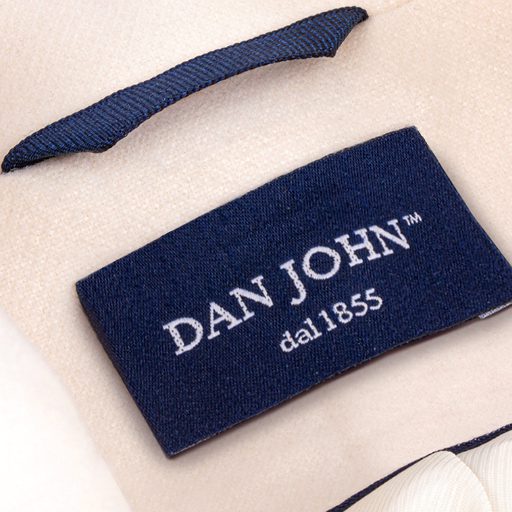
The jacquard label is widely used. It can be used for suits (a label on a sleeve, a hanger, a label on a pocket), coats, jackets, work clothes, shoes (inside the boot), etc. Label production takes place on weaving equipment by weaving yarn threads. Such a label is very resistant to all types of processing and in some cases serves as a decorative element of clothing.

The jacquard label can offer you a whole palette of colors and a wide range of weaving; it is always distinguished by originality and beauty.

The original weave of the jacquard label can guarantee the recognition and exclusivity of the customer’s product. Jacquard labels differ in the way they are woven, which determines the quality of the label and the clarity of the image.

Here we give the main types of jacquard labels:
“Damascus” – one of the most common types of weaving jacquard labels today. The specifics of weaving and superthin threads allow you to achieve maximum clarity of the woven pattern and provide more opportunities to translate interesting ideas into a woven label. You can use any color base and design. The label looks denser, but at the same time it remains quite soft and pleasant to the touch.

“Satin” is a denser weave that uses thinner threads. The front side of the label has a characteristic gloss and a silky surface, the label itself has a higher density. The main differences: the color of the base can be either white or black.

“Wrong satin” – woven labels of this type also have a higher density, although not as smooth and silky as labels of satin quality. But the background color can be any one to choose from.

“Taffeta” is a very common type of woven label, it is notable for its low price, low density of weaving and not very clear image quality of small details. If more than two colors are used in the pattern, the yarn on the back of the label hangs freely.

“Jacquard of photographic quality” – today it is one of the most exclusive types of woven labels, very thin yarn and detailed multi-color drawing of the label over its entire area are used, which allows to achieve “photographic” quality of the picture.
Download materials
Key information
Minimum order
The minimum obligation to comply with the individual characteristics of the product, including packaging and possible packaging obligations. Please, check the minimum obligation with the manager directly.
Lead time
After payment, the order for goods that are in stock is sent to the client within 1-3 business days. The production and delivery time for goods not covered by the warehouse program ranges from 14 to 60 days.
Prices
We do not offer a fixed price list. To find out the price, you need to contact our manager, get to know each other, explain what exactly you need and for what purposes. The manager will tell you the price and place your order.
Jacquard Labels: Premium Labeling for Clothing and Textiles

Jacquard labels are textile tags produced using a jacquard weaving technique, whereby an image, logo, or text is formed directly into the fabric structure. Unlike printed labels, the design is not applied to the material but is integrated into it.

Thanks to this technology, jacquard labels are distinguished by their high clarity, wear resistance, and presentable appearance. They are widely used in the production of clothing, accessories, and textiles where quality, durability, and brand aesthetics are important.

Why are jacquard labels considered premium?

Jacquard technology allows for a high level of image detail and stability. These labels do not wash off, fade, or lose their shape, even with intensive use.

The main reasons why jacquard labels are considered premium:

  1. the image is woven into the fabric;
  2. high resistance to washing and abrasion;
  3. a neat and professional appearance;
  4. tactile density and quality;
  5. durability.

That is why jacquard labels are often used by brands focused on quality and longevity.

Materials for Jacquard Labels

Jacquard labels are made from various types of threads, allowing them to be customized to the style and purpose of the product.

The most common Options:

  • Polyester is a durable and versatile material;
  • Cotton is natural and soft to the touch;
  • Viscose is for more delicate and premium items;
  • Combined threads are for the optimal balance of strength and appearance.

The choice of material affects the density, tactile feel, and visual perception of the label.

Types of Jacquard Labels

Jacquard labels vary in purpose, shape, and attachment method.

Primary Brand Labels

Used to identify the brand. Typically placed on the collar, waistband, or on a visible part of the garment. Contain a logo, brand name, or corporate symbol.

Size Labels

Used to indicate product sizes. They are made in the same style as the main label, ensuring visual consistency.

Composition and Information Labels

Used to indicate fabric composition, country of manufacture, and care instructions. Often placed inside the product.

Decorative Jacquard Labels

They can be used as a design element and placed on the outside of the product.

Where Jacquard Labels Are Used

Jacquard labels are used in a wide variety of segments:

  1. Mid- and premium-segment clothing;
  2. Children’s and school clothing;
  3. Sportswear and casual wear;
  4. Knitwear;
  5. Accessories and headwear;
  6. Home textiles.

They are equally well suited for both mass production and small branded collections.

Advantages of Jacquard Labels

Use Jacquard labels offer manufacturers and brands a number of important advantages:

  • Durability

The label maintains its appearance throughout the life of the product.

  • Professional image

Emphasises a serious approach to detail and quality.

  • Legibility

Text and logo remain legible even after repeated washings.

  • Aesthetics

The label looks neat and harmoniously complements the product.

  • Versatility

Suitable for various types of clothing and textiles.

How to choose jacquard labels

When choosing jacquard labels, it is important to consider:

  1. brand style and positioning;
  2. label size and shape;
  3. thread density and color;
  4. image contrast;
  5. sewing method.

Minimalist brands benefit from simple, understated labels, while bold collections benefit from bold labels. More complex and expressive options.

Methods of Sewing in Jacquard Labels

Jacquard labels can be sewn in different ways, depending on the design of the product:

  • along the edge;
  • in the seam;
  • along the perimeter;
  • with folded edges.

The correct attachment method ensures comfort when wearing and a neat appearance of the product.

Caring for Products with Jacquard Labels

Jacquard labels do not require special care. They are resistant to washing, ironing, and everyday use. Care for the product in accordance with the recommendations for the main fabric.

Conclusion

Jacquard labels — Jacquard labels are a reliable and aesthetically pleasing solution for labeling clothing and textiles. They highlight product quality, enhance brand recognition, and maintain a presentable appearance even with prolonged use.

Thanks to their durability, clarity, and premium appearance, jacquard labels remain one of the most sought-after textile labeling options for brands focused on quality, style, and durability.