

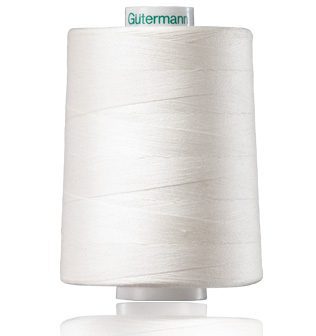
Salta K 70
| Articles: | 703044 - 700 m |
| Articles: | 703060 - 7.000 m |
| No./Tkt.: | 70 |
| tex: | 40 |
| dtex: | 400(3) |
| Material: | 100% meta-aramid |
| Thread Construction: | spun |
| Recommended needle size: | NM 90-100/14-16 |
For heat-resistant seams.
Salta K are special yarns made from 100% aramid (DuPontTM NOMEX). Ideal for protective clothing (e.g. firefighters, metalworking, foundries), light tarpaulins and items of equipment requiring a high degree of heat resistance.
Product advantages:
- High temperature resistance
- Can be exposed to high temperatures, up to 360 ° C for short periods of time, the filament will not melt
- The thread extinguishes itself, provided it is no longer exposed to flame
- Low flammability
- Good chemical resistance to weak acids and alkalis

Heat-resistant thread is a special type of sewing thread that maintains its strength and shape when exposed to high temperatures. Unlike standard synthetic or cotton threads, these materials can withstand temperatures of 200°C and above without melting or breaking. This makes them widely used in the production of workwear, footwear, furniture, and in the automotive and aerospace industries.
Composition and Types of Heat-Resistant Threads
The main difference between heat-resistant threads is their composition. The most common types include:
- Aramid threads (Kevlar, Nomex)
They have unique heat resistance—up to 370°C. They are fire-resistant and do not support combustion. Used for sewing firefighter, welding, and rescue suits.
- Polyester and meta-aramid threads
Combine heat resistance with elasticity and UV resistance. Often used in protective clothing and items that are ironed and dried at high temperatures.
- Fiberglass or quartz threads
Provide record-breaking heat resistance—up to +1000°C. Used in sewing heat shields, insulating fabrics, and technical filters.
- Metalized threads
Contain aluminum or steel fibers, which allows for heat reflection. They are used for industrial and decorative purposes.
Advantages of Heat-Resistant Threads
The use of heat-resistant threads is justified not only in extreme conditions. Their advantages also make them popular in everyday production:
- High tensile strength — the threads withstand intense friction and stretching.
- Flame resistance — the material does not burn and does not support combustion.
- Dimensional stability — they do not deform when heat treated, ironed, or pressed.
- Chemical resistance — they are not destroyed by oils, acids, and solvents.
- Durability — Products retain their strength even after hundreds of washing cycles.
These qualities make heat-resistant thread an indispensable element for sewing production, where the reliability and safety of the finished product are important.
Where are heat-resistant threads used?
- Workwear and Equipment
These threads are used in the production of suits for firefighters, metalworkers, welders, and rescuers. They ensure the integrity of seams even when exposed to open flame.
- Automotive Industry
In the production of upholstery, brake systems, seat belts, and exhaust components, heat-resistant thread ensures durability under prolonged heat.
- Footwear Manufacturing
Used in the manufacture of footwear for workers, tourists, and the military— Where it’s important to withstand heat, frost, and moisture.
- Technical textiles
These threads are used to sew filters, belts, curtains for welding stations, and heat shields.
- Home textiles and decor
Heat-resistant threads are often used in sewing curtains, bedspreads, and furniture that is ironed or located near heat sources.
How to choose heat-resistant thread
When choosing threads, it is important to consider several parameters:
- Temperature range – each thread is designed for a specific level of heat.
- Fabric type – Polyester thread is suitable for cotton fabrics, while aramid thread is suitable for synthetics or technical textiles.
- Thickness and count are selected depending on the density of the material and the type of seam.
- Color and coating: Some heat-resistant threads have a Teflon or silicone coating, which improves slip and stain resistance.
Tip: If the item will be exposed not only to heat but also to moisture or chemicals, it’s worth choosing threads with combined resistance—for example, aramid and polyester.
Caring for items with heat-resistant threads
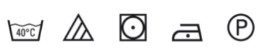
Although these threads can withstand extreme temperatures, items made with them require careful care. Recommended:
- Use a gentle wash cycle;
- Avoid bleaches containing active chlorine;
- Iron at a temperature suitable for the base material, not higher.
Heat-resistant thread is iron-resistant, but it is important that the fabric to which it is sewn also has the appropriate resistance.
Why Choose Heat-Resistant Thread
Using heat-resistant thread is an investment in product quality and safety. They allow you to create durable products that are resistant to wear, heat, and external influences. Such threads demonstrate that the manufacturer cares not only about appearance, but also about the functionality and reliability of every detail.
Summary:
Heat-resistant thread is It’s not just a sewing accessory, but a key component that determines the quality and lifespan of the finished product. Whether creating workwear, footwear, or technical textiles, choosing the right threads will ensure durability, safety, and a professional result.