

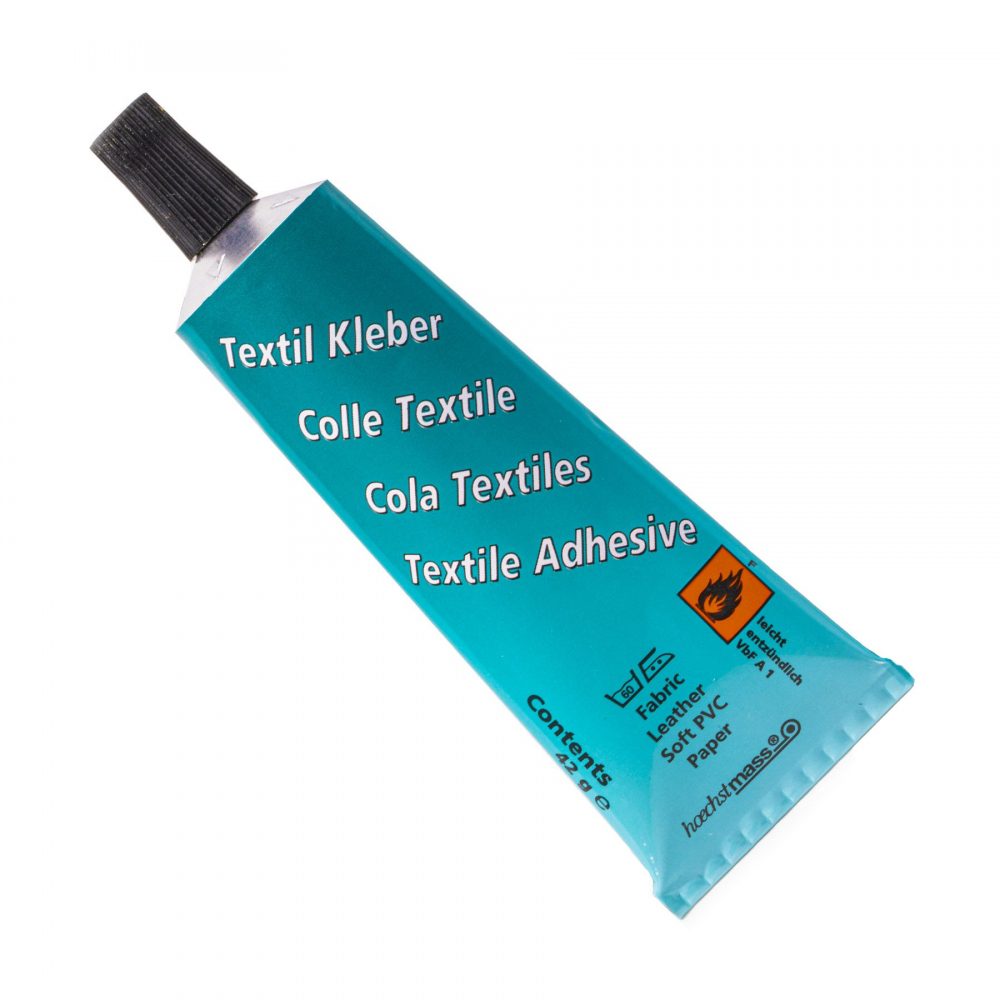
Hoechstmass Texfix adhesive
| Articles: | 49006 |
Universal textile glue Texfix – designed for working with woven and non-woven materials.
It is designed to work with woven and non-woven fabrics.
Bonds paper, cardboard, fabric, leather, wood, rubber, plastic, PVC, etc.
Glues reliably and does not let water through.
Hypoallergenic. Non-irritating and easy to wash off hands.
A convenient tube with a sharp nose allows you to work with small parts, and in hard-to-reach places.
Universal textile adhesive Hoechstmass Texfix Bonds quickly and permanently
The glued seam remains elastic
Wash up to + 60 ° C
Always store glue in an airtight container
Optimum storage temperature + 18 ° С
in 1 tube 42g of glue
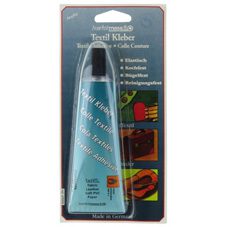
in a box 5 tubes packed in a blister
Areas of use
– for processing the bottom of the skirt, trousers, sleeves
– for gluing applications, stones, rhinestones
– for gluing decorative patches on paper and fabric
– to secure the cord on the lambriquin
– for fixing and repairing in the furniture industry
– for gluing flat and volumetric beads
– to secure the edge of the thread or braid
– for gluing tapes and leather cords
– for making brushes
– for work with embroidery
– for gluing money
Rhinestone glue (for rubber) is a specialized compound designed for the strong adhesion of decorative elements to elastic and smooth surfaces. It is used in the production of clothing, footwear, and accessories, as well as for decorating tracksuits, belts, gloves, and rubber products.
The main feature of this glue is its ability to firmly adhere to materials that are difficult to adhere to with conventional adhesives. Rubber is It is an elastic, non-porous, and sometimes oily surface, so it requires a special adhesive with increased adhesion, resistance to stretching, and moisture.
Composition Features
Rhinestone adhesive designed for rubber is made from polyurethane, cyanoacrylate, or silicone, often with the addition of modifying components that provide:
- high adhesion to smooth and elastic surfaces;
- elasticity after drying, so the adhesive does not crack when bent;
- transparency, so as not to spoil the appearance of the product;
- water and heat resistance, so the rhinestones do not peel off when washed or heated;
- fast setting and durability.
Thanks to these Thanks to its excellent properties, the adhesive provides a strong bond even on difficult surfaces such as rubber, leather, latex, PVC, and silicone.
Advantages of Rhinestone Adhesive for Rubber
- Strong Adhesion
The adhesive securely adheres rhinestones to smooth surfaces, preventing them from peeling off even with heavy use.
- Seam Elasticity
After drying, the composition remains flexible — It stretches with the material without cracking or creasing.
- Transparency and neatness
The glue does not leave cloudy marks or stains, preserving the surface’s purity and the shine of the rhinestones.
- Resistance to moisture and temperature changes
The bonded elements do not peel off when exposed to water, sweat, or heat, which is especially important for shoes and sportswear.
- Quick drying
Initial setting occurs in 2-5 minutes, and complete hardening occurs in 2-3 minutes. in a few hours, which speeds up the process.
- Versatility
Suitable for various materials: rubber, silicone, leather, PVC, fabric, and metallic decorative elements.
Where is rhinestone glue used (for rubber)?
- Shoe manufacturing
The glue is used to decorate rubber soles, boots, sandals, sole inserts, and athletic shoe components. It provides a strong and flexible bond that can withstand constant loads.
- Sewing Industry
When decorating costumes, stage outfits, and sportswear, the adhesive is used to secure rhinestones, beads, and sequins to rubber or elastic inserts.
- Accessory Decoration
This composition is ideal for decorating belts, bags, gloves, bracelets, and other rubber and leather items.
- Handmade and Creative Arts
In handicrafts, glue is often used to make jewelry, hair ties, headbands, bracelets, and in the design of dance and fitness costumes.
- Technical Application
Some types of glue are suitable not only for decoration, but also for minor repairs to rubber products, ensuring a long-lasting bond with the decorative element.
Types of Glue for Rhinestones on Rubber
- Polyurethane – provides strength, transparency, and flexibility. Ideal for shoes and accessories.
- Silicone – is moisture-resistant, elastic, and resistant to temperature changes. Suitable for clothing and swimwear.
- Cyanoacrylate (instant) – a quick-drying option for small elements. Provides instant adhesion, but requires care.
- Two-component epoxy – Used when a particularly strong bond is required (for example, for large rhinestones on a sole).
- Hot glue is used with a gun for temporary or spot-on fastening, most often in decorative work.
How to Properly Glue Rhinestones to Rubber
To ensure a strong and durable bond, follow this simple sequence:
- Clean the surface. Degrease the rubber with an alcohol solution and allow it to dry.
- Apply glue. Use a minimal amount—a drop per rhinestone or a thin layer per area.
- Attach the element. Gently press the rhinestone to the surface and hold for 20-30 seconds.
- Remove excess glue. While the mixture is still wet, remove any excess with a cotton swab or spatula.
- Let it dry. Full hardening occurs within 12-24 hours at room temperature.
Tip: When working with small rhinestones, it’s convenient to use tweezers and a dotting applicator.
Benefits for makers and craftsmen
Using rhinestone glue on rubber offers artisans and makers clear advantages:
- speeds up the assembly and decoration process;
- provides a clean and professional appearance;
- reduces the risk of rhinestones peeling off during use;
- suitable for both mass-produced and hand-made production;
- safe when following instructions.
For designers and decorators, this material opens up more possibilities when working with non-standard surfaces and complex elements. decor.
How to choose glue for rhinestones
When choosing glue, pay attention to several parameters:
Surface type. For soft rubber, silicone or polyurethane is better, for dense rubber – epoxy.
Transparency. The glue should remain colorless after drying.
Temperature resistance. If the product will be in contact with moisture and heat, choose a compound labeled “heat resistant” or “waterproof”.
Setting speed. For small jobs, quick-drying compounds are more convenient, for large ones – Adhesives with a correction time.
Caring for Rhinestones
To keep your decorated items looking good for a long time:
- Avoid direct contact with an iron or hot water;
- Do not use harsh detergents;
- If necessary, clean with a soft, solvent-free cloth;
- Dry naturally.
With proper application and care, rhinestones will adhere securely even to stretchy or damp materials.
Conclusion
Rhinestone glue (for rubber) is a reliable tool for decorating, repairing, and creating, providing a strong and flexible bond. It combines transparency, moisture resistance, and stress resistance, making it an ideal choice for shoes, clothing, and accessories.
It allows you to create vibrant designs without worrying about rhinestones falling off over time. The right adhesive transforms any rubber element into a stylish, durable, and striking accessory.