

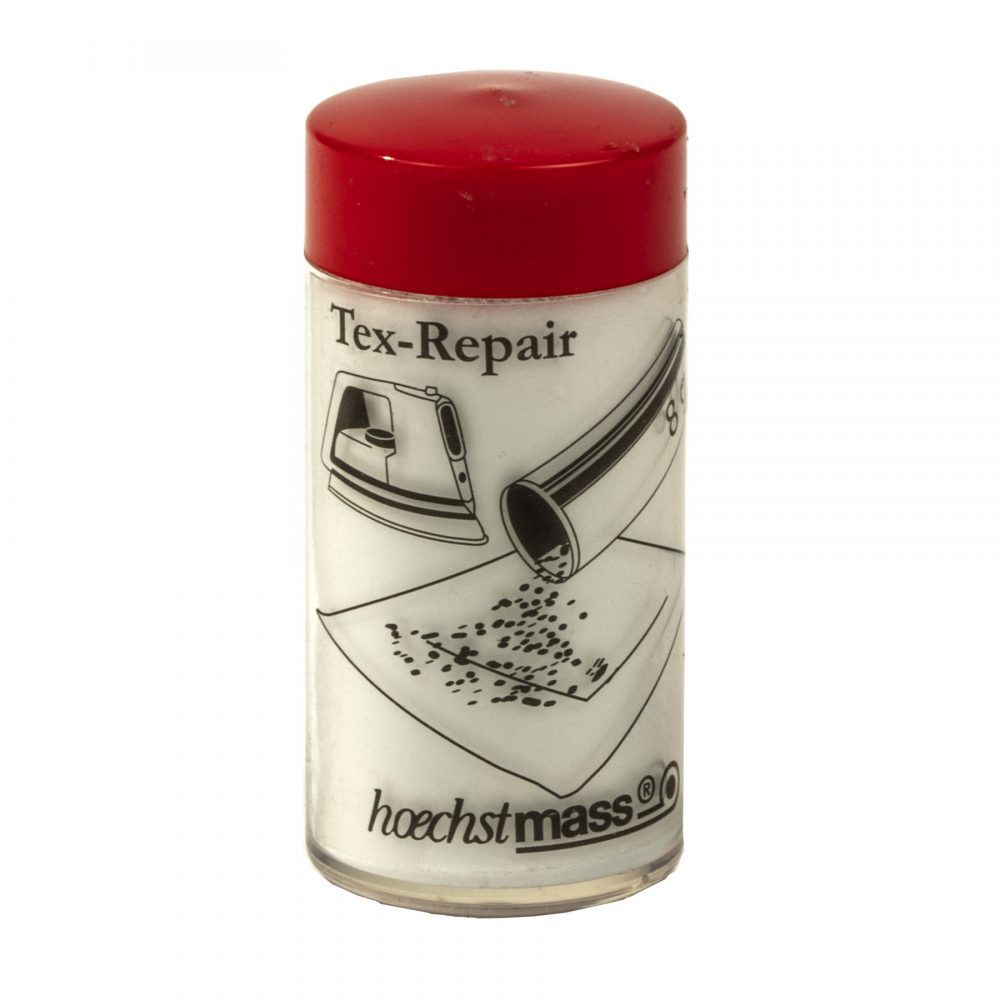
Dry powdery textile glue
Dry powdery textile glue is a godsend!
It adheres firmly to appliqués, patches, patches. The parts are glued together under the influence of the temperature of the iron.
Supplied in a convenient bright packaging with instructions.
Dry glue is a modern adhesive for bonding various materials, presented as a thick stick contained in a plastic stick tube. Its main advantage is its ease and cleanliness: the adhesive does not flow or stain during application, and allows for precise dosing.
Dry glue was originally developed for use with paper and cardboard, but thanks to improved formulas, it is now also used in textiles, design, and packaging. It is ideal for gluing lightweight fabrics, felt, leather, appliqués, and decorative elements.
Composition and Features
Dry glue is based on polyvinyl acetate (PVA) or polyethylene glycol (PEG)—safe adhesive components that ensure reliable adhesion and quick drying. The composition also includes moisturizing additives and stabilizers that prevent drying out and extend shelf life.
Key features of dry glue:
- Available in stick (pencil) form – Convenient and economical to use;
- Does not require additional tools (brushes, spatulas);
- Applies easily in a thin layer;
- Does not leave streaks or smudges;
- Sets quickly (30-60 seconds) and dries completely in 5-10 minutes;
- Safe, has no pungent odor, and does not contain toxic solvents.
These qualities make dry glue a versatile material for the office, school, crafts, and light repair work.
Advantages of dry glue
- Clean and neat
The glue is applied locally, does not run, and does not stain hands or surfaces. Even if it gets on fabric, it doesn’t leave stains after drying.
- Economical
Thanks to its solid consistency, product consumption is minimal. One tube can replace several liquid adhesives for the same amount of work.
- Quick drying
The adhesive sets almost instantly, which speeds up the gluing process and saves time.
- Safety
Contains no toxic substances, suitable for use by children and in enclosed spaces.
- Versatility
Suitable for paper, cardboard, textiles, felt, leather, photographs, and decorative elements.
- Long shelf life
Thanks to its dense structure, the adhesive does not dry out in the packaging, even during long-term storage.
Where is dry glue used? Glue
- In sewing and textile production
Dry glue is used to temporarily secure parts before sewing – for example, hems, appliqués, lace, and decorative elements. It helps secure fabric precisely without leaving marks or damaging the fibers.
- In crafts and arts and crafts
Glue is indispensable when creating scrapbooking, cards, decorative panels, and toys. Its convenient format makes it easy to apply to small areas and thin materials.
- In the office and school
Dry glue is a safe product for working with paper, envelopes, documents, photographs, and projects. It doesn’t warp paper or leave moisture marks.
- In packaging and decor
Used for attaching labels, ribbons, decorative inserts, and lightweight elements when creating packaging or gift items.
- In everyday life
Dry glue is convenient for minor repairs: you can glue the edge of fabric, wallpaper, cardboard, or a decorative element in just a minute.
Types of dry glue
- Classic PVA stick is a universal option for paper and lightweight fabrics. It dries quickly, is safe, and leaves no residue.
- With increased hold, it provides a stronger bond and is suitable for cardboard, leather, and heavy fabrics.
- With a color indicator, it has a blue or pink tint when applied, which disappears when dry. Convenient for precise control.
- Professional textile glue is specially designed for temporarily fixing fabric and accessories before sewing. It provides light adhesion and does not damage the material.
How to use dry glue correctly
- Prepare the surface. Clean the fabric or paper from dust and dirt.
- Apply the glue. Gently run the rod over the surface, distributing the mixture evenly.
- Connect the parts. Press the surfaces firmly for 20-30 seconds.
- Let dry. Complete drying occurs in 5-10 minutes.
Tip: When working with thin fabrics, use a small amount of glue to avoid stiffening the material.
Benefits for manufacturers and crafters
Using dry glue in sewing and creative processes offers a number of advantages:
- speeds up assembly technology;
- reduces the risk of errors when positioning parts;
- provides a neat, stain-free appearance;
- simplifies working with thin and elastic materials;
- safe for workers and does not require ventilation.
For designers and craftsmen, dry glue is a convenient tool that helps save time and improve precision.
How to choose high-quality dry glue Glue
When purchasing, pay attention to the following:
Composition: Safe, free of solvents and toxins;
Texture: Soft, applies evenly, does not crumble;
Packaging: A secure cap prevents drying;
Purpose: Universal – for paper, specialized – for fabric and decorative elements.
High-quality glue has a light, neutral odor, does not leave a white residue, and spreads evenly over the surface.
Care and Storage
To maintain the glue’s properties, store it at room temperature, tightly closing the cap after each use. Avoid direct sunlight and excessive heat.
Standard dry glue has a shelf life of 12 to 24 months. Under proper conditions, it retains its pliability and remains ready for use.
Conclusion
Dry glue is a versatile and safe solution for gluing paper, fabric, felt, and decorative elements. It combines ease of use, precise application, and secure hold.
Thanks to its odorlessness, quick drying, and convenient format, dry glue has become an indispensable tool for home, office, sewing, and crafting. It is a clean, economical, and practical solution for those who value precision, accuracy, and ease of use.