

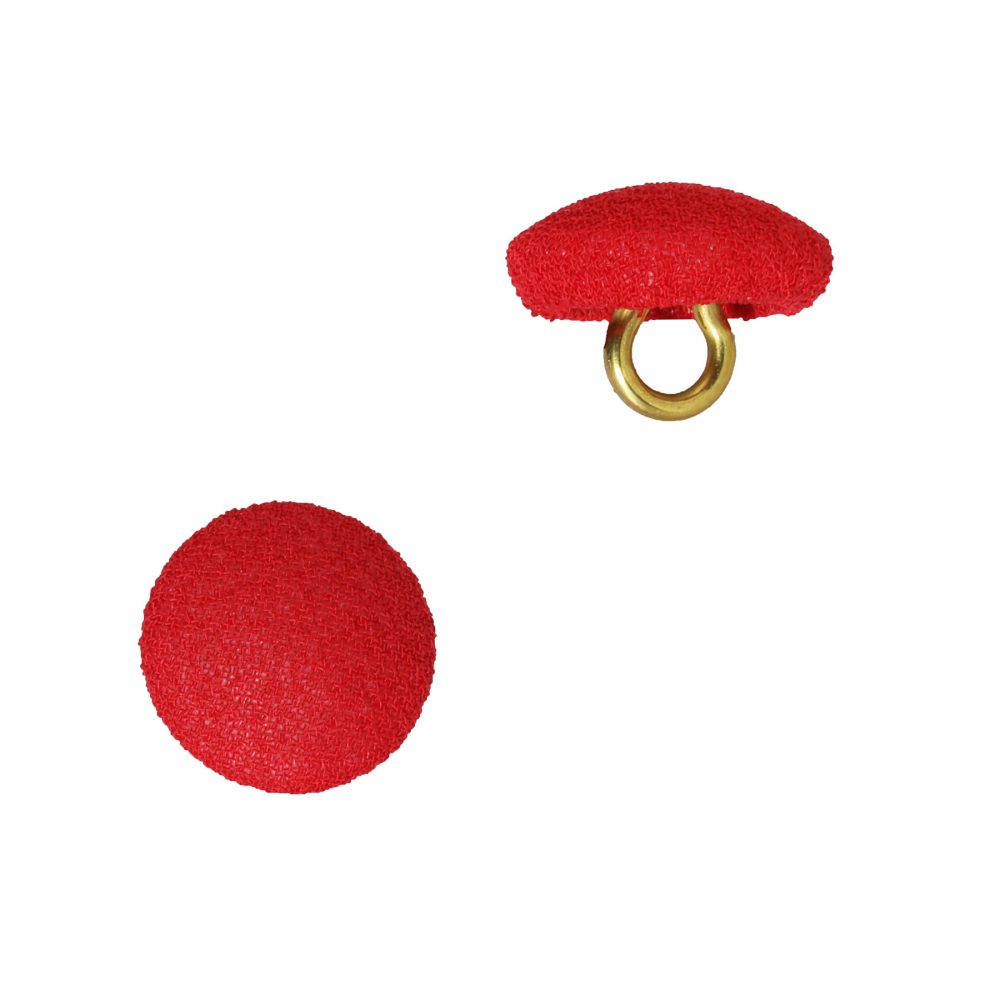
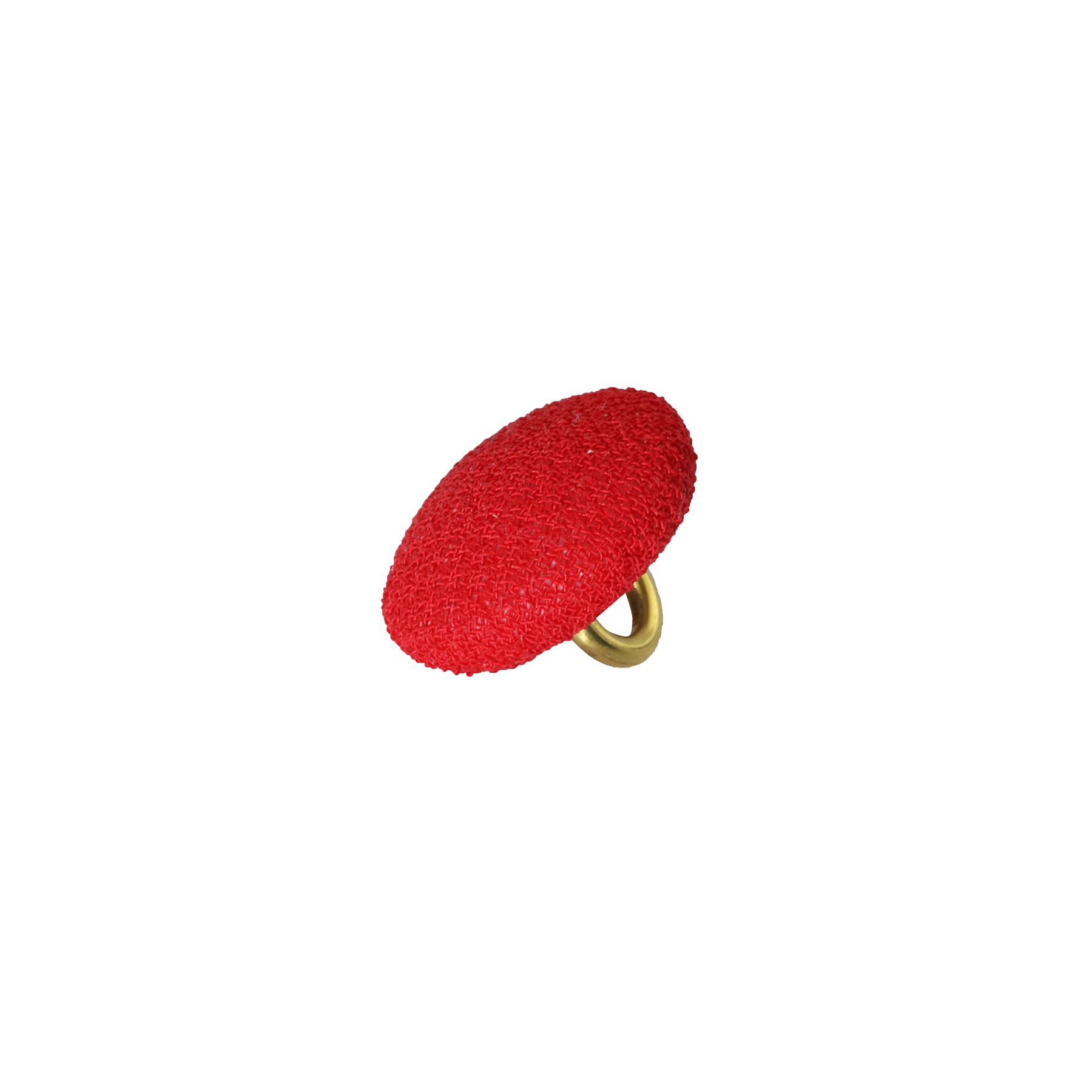
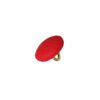
Halbkugel
| Articles: | |
| Model: | Halbkugel |
| Material: | Steel |
| Application: | Сlothing |
| Minimum order: | 10 buttons |
| Manufacturing time: | 1-2 days |
The buttons are covered with the client’s material.
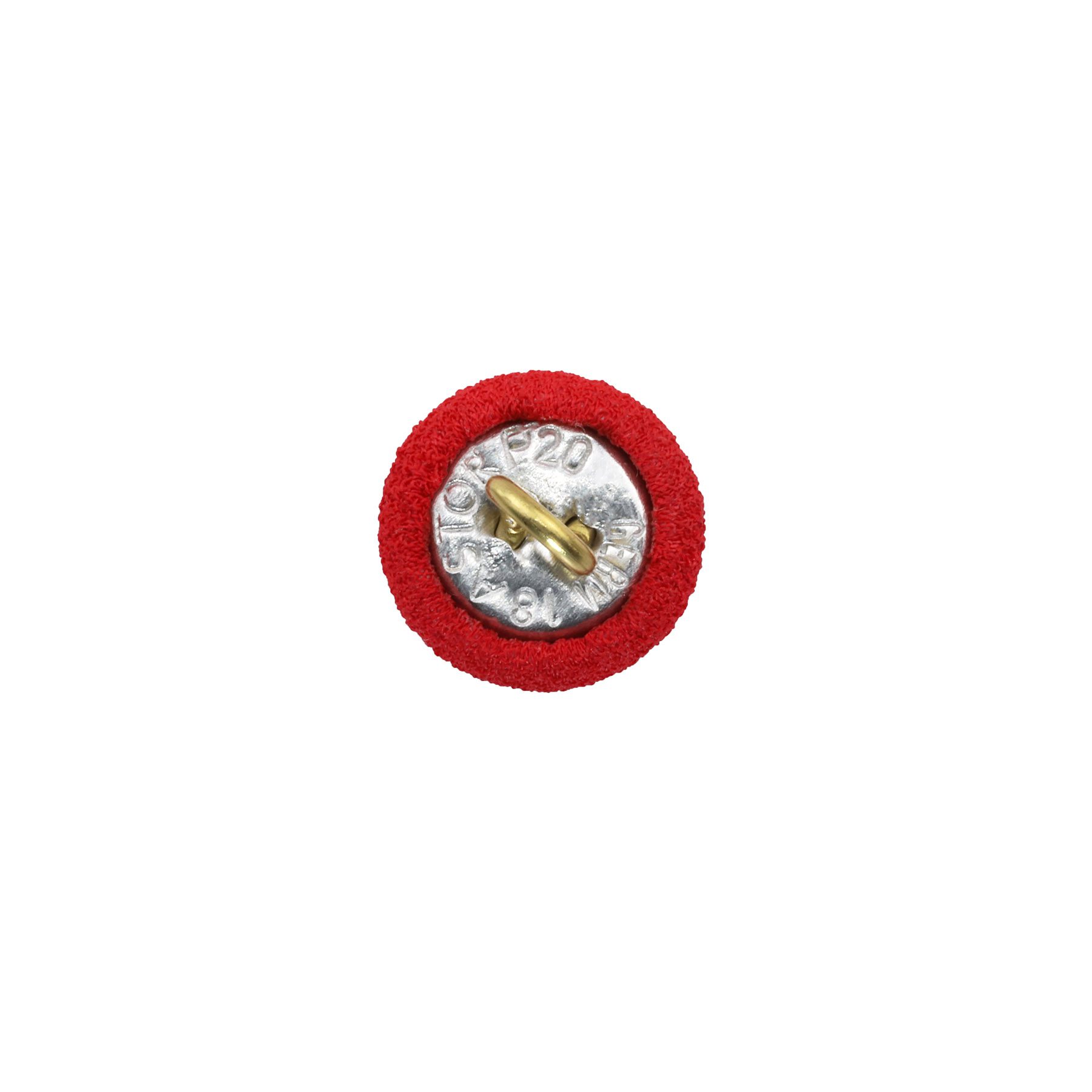
German ASTOR blanks are used for covering.
Minimum order: 10 pcs. in one form and size.
Production time: 1-2 days from the date of receipt of the material and payment.
Buttons are covered with German equipment from ASTOR.
Fabric requirements:
- Be sure to mark the wrong side
- Do not duplicate (we select the duplicating material individually and of the highest quality)
A piece of fabric for 1 button not less than 4 x 4 cm
A spare piece of fabric for a couple of buttons (just in case).
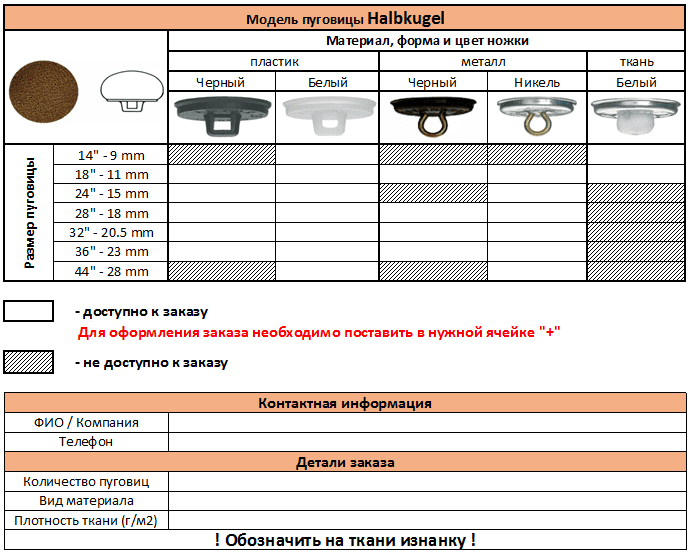
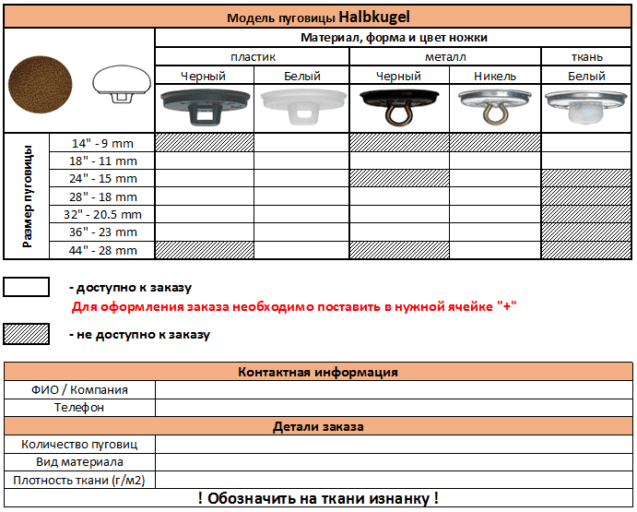
A mushroom button is a type of sewing hardware distinguished by its distinctive shape: a wide cap on top and a thick shank on the bottom. This structure gives it its name, reminiscent of a mushroom shape. This button is used to attach items of clothing, shoes, accessories, and even furniture where a secure fit and ease of use are required.
Mushroom buttons can be both decorative and functional. They are used in projects where a classic flat button does not provide the necessary strength or visual accent.
Construction and Shape Features
The main feature of a mushroom button is the shank with which it is sewn or secured to the material. Unlike buttons with holes, the thread passes through the shank without deforming the front surface.
Key design features:
- The top part (cap) is rounded, convex, or slightly flat. It can be smooth, matte, glossy, or textured.
- The shank is located in the center of the base and is used for sewing or inserting into a fastener.
- The diameter varies from 10 to 40 mm, depending on the purpose.
- Materials: Metal, plastic, wood, corozo, leather, glass, and even natural horn.
Thanks to its shape, the mushroom button fits securely, doesn’t rub fabric, and doesn’t snag on surrounding objects.
Advantages of mushroom buttons
- Ease of use
The shank makes fastening and unfastening easier. The button doesn’t stick to the fabric and requires little effort to operate.
- Secure fastening
The seam, hidden under the cap, is protected from friction and wear, increasing the lifespan of the product.
- Aesthetic appearance
The absence of visible holes gives the product a neat appearance. These buttons often serve as a decorative element.
- Wide range of applications
They are used not only in clothing, but also in furniture, footwear, and accessories.
- Durability
The materials used to make mushroom buttons are resistant to moisture, temperature fluctuations, and mechanical stress.
Materials
Mushroom buttons are available in a wide variety of materials, making them versatile for a variety of products:
- Metal is durable, reliable, and corrosion-resistant. Ideal for outerwear, shoes, and bags.
- Plastic (ABS, polyester) is a lightweight and inexpensive option for everyday wear. It boasts a rich variety of colors and shapes.
- Wood and coconut are eco-friendly materials that create a natural texture and a cozy appearance.
- Corozo (tagua nut) is a durable and smooth material with a refined hue, often used in premium clothing.
- Leather and textiles are used in covered mushroom buttons, adding softness and sophistication.
- Glass or ceramics are decorative options for interior design projects and designer clothing.
Where mushroom buttons are used?
- Outerwear
Jackets, coats, and raincoats are often decorated with large mushroom buttons that are easy to fasten even with gloves. They provide comfort and serve as a striking design accent.
- Footwear and Accessories
In shoemaking, mushroom buttons are used as fasteners or decorative snaps. In bags, belts, and backpacks, they serve as a stylish detail with a functional purpose.
- Furniture and Interior
Mushroom buttons are used for upholstery, particularly in the “coach-style” technique. They give sofas and armchairs an elegant, three-dimensional look.
- Workwear and Uniforms
For workwear, mushroom buttons are chosen from metal or thick plastic. They are durable and don’t deteriorate with frequent washing.
- Decorative Items
These buttons are often used in crafts, scrapbooking, and textile decor. Their interesting shape makes them a striking element in any composition.
How to Choose a Mushroom Button
To ensure that a button not only decorates a product but also lasts a long time, it is important to consider the following parameters:
- The size should correspond to the thickness of the fabric or material.
- The material is selected depending on the area of application. Metal is for dense fabrics, plastic is for lighter fabrics.
- The shank type can be cast, metal, or sewn on.
- The shape of the cap can be convex or flat, matte or glossy, with or without a pattern.
- The color scheme is chosen to match the style of the product: from classic solid colors to bright decorative models.
Tip: For children’s clothing, choose lightweight plastic mushroom buttons with rounded edges. They are safe and comfortable.
Benefits for clothing and accessory manufacturers
Mushroom buttons are especially valued in industrial and designer sewing. They:
- ensure a secure connection of parts;
- speed up the fastening process;
- give finished products a finished look;
- withstand increased loads;
- serve as a stylish accent to the collection.
That is why mushroom buttons are widely used both in mass production and in designer brands.
Care and Durability
Mushroom buttons do not require special care, but to maintain their appearance, it is worth following simple rules:
- wash items with buttons fastened;
- avoid strong mechanical impact;
- do not use aggressive chemicals;
- if necessary, Polish metal models with a soft cloth.
A properly secured mushroom button can last as long as the product itself.
Conclusion
A mushroom button is more than just a fastener, but an element that combines functionality and aesthetics. Its shape ensures convenience and reliability, and the variety of materials and designs allows it to be used in everything from fashion to furniture.
Thanks to their strength, durability, and unique appearance, mushroom buttons remain popular among both manufacturers and designers seeking to emphasize the individuality of each product.